

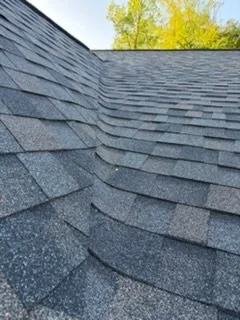
Metal Roofing vs. Asphalt Shingles: Which Is Right for Your Ohio Home?
Trying to decide between a metal roof and asphalt shingles? Both offer great protection, but they differ in cost, lifespan, maintenance, and appearance. In this guide, we'll break down the pros and cons of each roofing system to help local homeowners choose the best option for their home and budget.
If you're considering a roof replacement, one of the biggest decisions you'll make is choosing between a metal roof and traditional asphalt shingles. Both options offer excellent protection for your home, but they differ in cost, appearance, lifespan, and maintenance requirements.
At Erie Shores Roofing, homeowners throughout Norwalk, Sandusky, Huron, Vermilion, and surrounding communities often ask which roofing material is the better investment. The answer depends on your goals, budget, and long-term plans for your home.
Asphalt Shingles: America's Most Popular Roofing Material
Asphalt shingles remain the most common roofing material in Ohio for good reason. They provide reliable protection at an affordable price and are available in a wide variety of colors and styles.
Benefits of Asphalt Shingles
Lower Upfront Cost
Asphalt shingles typically cost less to install than metal roofing, making them a budget-friendly option for many homeowners.
Versatile Appearance
Modern architectural shingles come in a variety of colors and styles that complement nearly any home design.
Easy Repairs
If a section of your roof becomes damaged, individual shingles can often be replaced without affecting the rest of the roof.
Strong Performance
High-quality architectural shingles can withstand Ohio's rain, wind, snow, and seasonal temperature changes.
Potential Drawbacks
Shorter lifespan compared to metal roofing
More susceptible to wind damage over time
May require replacement sooner, especially on older homes
Most architectural shingle roofs last between 25 and 35 years when properly installed and maintained.
Metal Roofing: Built for Long-Term Performance
Metal roofing has become increasingly popular among Ohio homeowners looking for durability and longevity.
Today's metal roofs are available in a variety of colors and styles, including options that mimic traditional shingles, slate, or wood shake.
Benefits of Metal Roofing
Exceptional Lifespan
Many metal roofing systems can last 40 to 70 years or longer with proper maintenance.
Outstanding Durability
Metal roofs are highly resistant to wind, hail, snow, and severe weather. They perform exceptionally well during Ohio's unpredictable seasons.
Energy Efficiency
Metal reflects solar heat, which may help reduce cooling costs during warmer months.
Low Maintenance
Metal roofing requires less maintenance than many traditional roofing materials.
Environmentally Friendly
Many metal roofing products contain recycled materials and can be recycled at the end of their lifespan.
Potential Drawbacks
Higher initial investment
Repairs may require specialized roofing professionals
Some homeowners prefer the traditional look of shingles
Cost Comparison
For most homeowners, cost is one of the biggest factors when choosing a new roof.
While asphalt shingles typically have a lower upfront price, metal roofing often provides greater long-term value due to its extended lifespan and lower maintenance needs.
If you plan to stay in your home for many years, a metal roof may ultimately be the more cost-effective option. If you're looking for excellent protection at a lower initial cost, architectural shingles remain a fantastic choice.
Which Roof Handles Ohio Weather Better?
Both roofing systems can perform well in Ohio when installed correctly.
However, metal roofing generally has an advantage in areas that experience:
Heavy snowfall
High winds
Severe thunderstorms
Hail events
Metal roofs shed snow more easily and often withstand extreme weather conditions better than traditional shingles.
That said, premium architectural shingles from trusted manufacturers also provide excellent protection and are designed specifically for climates like ours.
Which Option Is Right for You?
A metal roof may be the better choice if you:
Plan to stay in your home long-term
Want maximum durability
Prefer lower maintenance
Value energy efficiency
Asphalt shingles may be the better choice if you:
Want a lower upfront investment
Prefer a traditional appearance
Need a cost-effective roof replacement
Plan to sell your home within the next decade
Let Erie Shores Roofing Help You Decide
Every home is different, and the best roofing system depends on your goals, budget, and property.
At Erie Shores Roofing, we'll walk you through the pros and cons of both options and provide honest recommendations based on your specific needs. Whether you're considering architectural shingles or a durable metal roof, our experienced team can help you make the right choice.
Ready to explore your options?
Contact us today for a free, no-obligation inspection and estimate. We'll help you find the roofing system that protects your home for years to come.
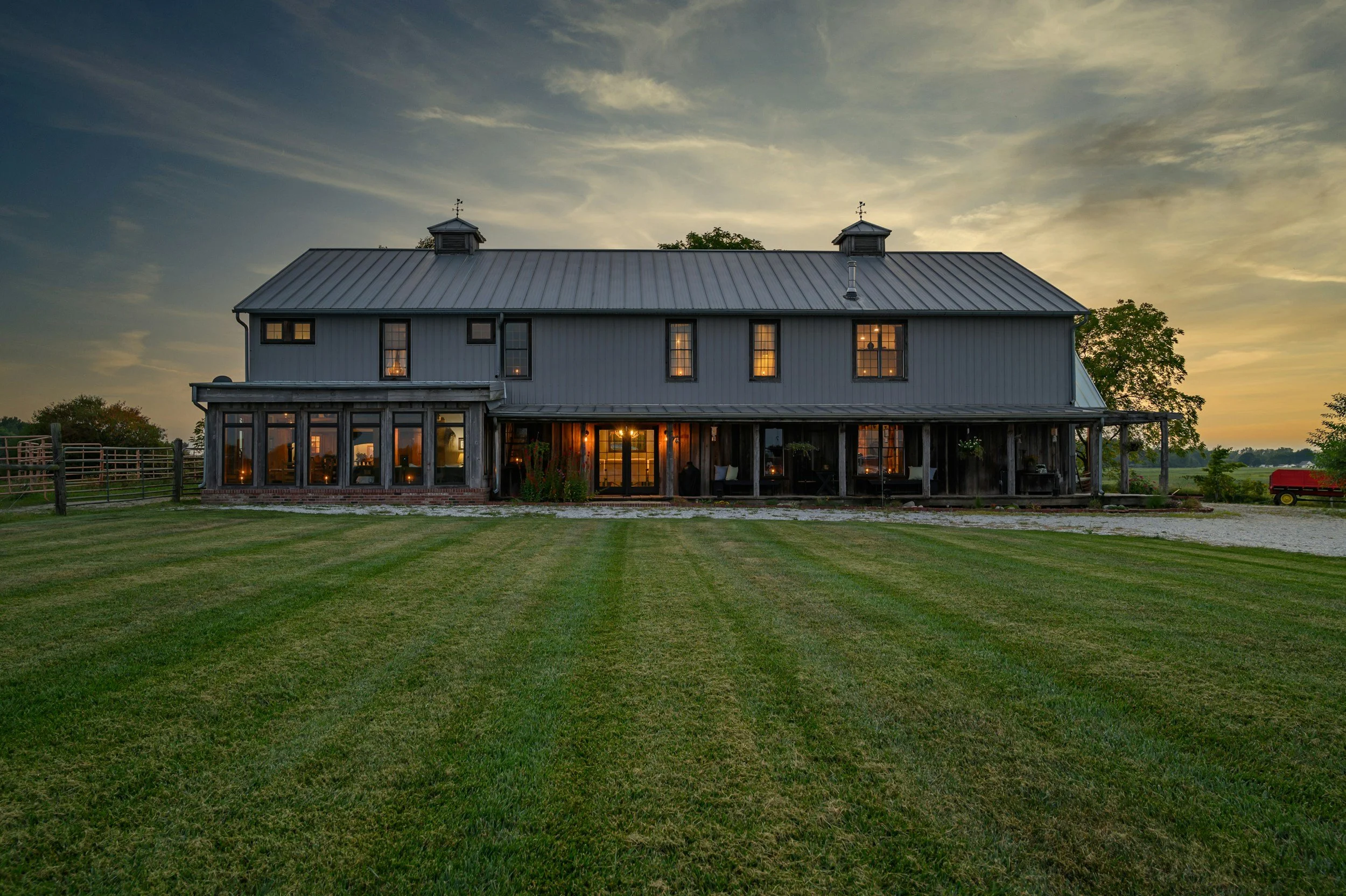
How Much Does a Roof Cost in Ohio? 2026 Homeowner Guide
Wondering how much a new roof costs in Ohio? Learn what homeowners in Northern Ohio can expect to pay for roof replacement, what factors impact pricing, and how weather near Lake Erie can affect your roofing investment. Serving homeowners in Sandusky, Norwalk, and surrounding communities.
If you’re researching the cost of a new roof in Ohio, you’re probably asking the same question most homeowners do:
“What should I realistically expect to pay?”
The honest answer? Roof replacement costs in Ohio can vary quite a bit depending on your home, roofing materials, and the condition of your current roof.
In most cases, homeowners in Northern Ohio can expect to invest anywhere from $8,000 to $25,000+ for a full roof replacement. Smaller homes may come in lower, while larger homes, steep rooflines, premium materials, or structural repairs can push costs higher.
At Erie Shores Roofing, one of the most common questions we hear from homeowners in Sandusky, Norwalk, Huron, Vermilion, and Port Clinton is:
“Why do roof prices vary so much?”
This guide breaks down exactly what affects roof pricing in Ohio so you can make an informed decision.
Average Roof Replacement Cost in Ohio
While every home is different, here’s a general pricing range homeowners in Ohio often see:
Basic asphalt shingle roof $8,000–$14,000
Architectural shingle roof $12,000–$20,000
Premium roofing systems $18,000–$30,000
Metal roofing $20,000–$45,000+
These numbers depend on your home’s size, slope, material choices, and whether hidden damage is found during tear-off.
For homes near Lake Erie, weather exposure can also influence roofing recommendations and pricing.
7 Factors That Affect Roof Cost in Ohio
1. Roof Size
This is one of the biggest pricing factors.
Roofers measure roofing projects in “squares.” One roofing square equals 100 square feet.
For example:
15 squares = smaller ranch home
20–30 squares = average two-story home
30+ squares = larger custom homes
More square footage means:
More shingles
More underlayment
More labor
More disposal costs
Naturally, larger roofs cost more.
2. Roofing Material
The type of material you choose significantly affects cost.
Asphalt Shingles
The most common roofing choice in Ohio.
Benefits:
Budget-friendly
Reliable performance
Many style options
Great for Midwest weather
Architectural Shingles
A popular upgrade.
Benefits:
Better wind resistance
Longer lifespan
Enhanced curb appeal
Better resale value
Metal Roofing
Growing in popularity throughout Ohio.
Benefits:
Long lifespan
Excellent snow shedding
Energy efficiency
Durable against severe weather
Each option comes with different upfront costs and long-term value.
3. Roof Pitch and Complexity
Steeper roofs require:
Additional safety equipment
More labor time
Specialized installation techniques
Features that increase complexity include:
Dormers
Valleys
Skylights
Chimneys
Multiple rooflines
Homes throughout older communities in Sandusky and Vermilion often have more architectural features that can affect labor costs.
4. Tear-Off vs Overlay
If your old roof needs complete removal, this adds labor and disposal costs.
A full tear-off often includes:
Removing old shingles
Inspecting roof decking
Replacing damaged wood if needed
Installing new waterproofing materials
While overlays can sometimes appear cheaper, a full tear-off usually provides better long-term performance.
5. Roof Decking Repairs
Sometimes the biggest surprises are underneath your shingles.
Ohio’s freeze-thaw cycles, ice buildup, and storm moisture can lead to:
Soft spots
Rotting plywood
Structural weakness
If damaged decking is found, repairs may be needed before installation can continue.
This protects your investment and ensures your new roof performs properly.
6. Ventilation and Underlayment Upgrades
A quality roof is more than shingles.
Proper roofing systems include:
Ice and water shield
Synthetic underlayment
Ridge vents
Intake ventilation
Homes in Northern Ohio often benefit from upgraded ventilation because of harsh winters and humid summers.
Poor attic ventilation can shorten roof life and increase energy costs.
7. Storm Damage or Insurance Claims
Ohio weather can be unpredictable.
High winds, hail, and heavy storms can cause roofing damage that may qualify for insurance coverage.
If your roof was damaged by:
Hail
Wind
Fallen tree limbs
Severe storms
Your homeowner’s insurance may help cover some or all replacement costs.
A local roofing contractor can help document storm damage and guide you through the process.
Why Roofing Costs Can Be Different in Northern Ohio
Homes near Lake Erie face unique weather conditions:
Lake-Effect Snow
Heavy snow adds weight and moisture exposure.
Freeze-Thaw Cycles
Water can seep into roofing materials and expand when temperatures drop.
Wind Exposure
Coastal communities can see stronger seasonal winds.
This is why roofing systems in places like Port Clinton, Huron, and Sandusky often need materials built for Midwest durability.
Should You Repair or Replace Your Roof?
Sometimes a repair makes sense.
A replacement may be smarter if:
Your roof is over 15–20 years old
Leaks keep coming back
Shingles are curling or missing
Storm damage affects multiple sections
Energy bills are increasing
A professional inspection can help determine the most cost-effective option.
How to Avoid Overpaying for a Roof in Ohio
Before signing a contract, make sure your roofing company is:
Licensed and insured
Experienced with Ohio weather conditions
Transparent with pricing
Offering detailed written estimates
Using quality manufacturer-backed products
The cheapest quote isn’t always the best value.
Poor installation can lead to expensive repairs later.
Frequently Asked Questions
What is the average cost of a roof replacement in Ohio?
Most homeowners spend between $8,000 and $25,000+, depending on size, material, and complexity.
Does insurance cover roof replacement?
It may if damage was caused by storms, hail, or wind rather than normal aging.
How long does a roof replacement take?
Most residential roof replacements take 1–3 days, depending on weather and complexity.
Are architectural shingles worth the extra cost?
Many Ohio homeowners say yes because of better durability, wind resistance, and curb appeal.
Get a Free Roof Inspection in Northern Ohio
If you’re wondering what a new roof will cost for your home, the best place to start is with a professional inspection.
At Erie Shores Roofing, we help homeowners throughout Sandusky, Norwalk, Vermilion, Huron, and Port Clinton understand their options with honest recommendations and no-pressure inspections.
Whether you’re dealing with storm damage, an aging roof, or just planning ahead, a roof inspection can help you make the right decision before small issues become expensive problems.

Spring Storms Are Coming — Is Your Roof Ready?
Spring in Ohio brings warmer weather—but also strong storms, heavy rain, and high winds. Your roof is your home’s first line of defense, so making sure it’s ready is key.
Spring in Ohio brings warmer weather—but also strong storms, heavy rain, and high winds. Your roof is your home’s first line of defense, so making sure it’s ready is key.
Common Spring Storm Damage
Lifted or blown-off shingles from wind
Leaks from heavy rain
Hail damage (dents, cracks, weakened shingles)
Gutter overflow leading to water damage
How to Prepare Your Roof
Clean out gutters and downspouts
Check for visible damage from the ground
Trim overhanging branches
Schedule a professional inspection
What to Do After a Storm
If you suspect damage, act quickly. Document what you see and have a professional assess your roof. Many roofing companies can also help guide you through the insurance claim process, including Erie Shores Roofing.
Don’t wait until a small leak becomes a major problem—spring storms can escalate damage fast.
Why Spring Is the Best Time to Inspect Your Roof
After a long winter, your roof has been through it all—snow, ice, wind, and freezing temperatures. Spring is the ideal time to check for damage and make sure everything is still protecting your home the way it should
After a long winter, your roof has been through it all—snow, ice, wind, and freezing temperatures. Spring is the ideal time to check for damage and make sure everything is still protecting your home the way it should.
What Winter Can Do to Your Roof
Cold weather can cause shingles to crack, loosen, or even go missing entirely. Ice buildup can also lead to hidden water damage that you may not notice right away.
Signs You Might Need a Roof Inspection
Missing or curling shingles
Water stains on ceilings or walls
Granules collecting in gutters
Sagging or soft spots
Even if everything looks fine from the ground, there could be underlying issues that only a professional can spot.
Why You Shouldn’t Wait
Small issues can quickly turn into expensive repairs. A simple spring inspection can help you catch problems early, extend the life of your roof, and give you peace of mind heading into storm season.
Is Winter a Bad Time to Replace a Roof? Here’s the Truth
Think roof replacement has to wait until spring? Winter roofing is more common than you think. Discover why January may actually be the right time to replace or repair your roof and how to do it safely.
Many homeowners assume roof replacement has to wait until spring—but winter roofing is more common than you might think. January can actually be a smart time to replace your roof, depending on your situation.
Can Roofs Be Replaced in Cold Weather?
Yes! Modern roofing materials are designed to be installed year-round. Professional roofing crews use cold-weather installation techniques to ensure shingles seal properly, even in lower temperatures. While extreme weather may cause brief delays, winter installations are safe and effective when done by experienced contractors.
Why January Might Be the Right Time
If your roof is leaking or has sustained storm damage, waiting until spring could allow moisture to spread, leading to mold, insulation damage, or structural issues. Replacing your roof in winter helps stop problems immediately instead of putting a temporary fix in place.
Another advantage is scheduling availability. Winter is often less busy than peak roofing season, which can mean quicker timelines and more flexibility for homeowners.
When to Consider Financing a Winter Roof Replacement
Unexpected roof damage in January can be stressful, especially after holiday expenses. Financing options make it possible to protect your home right away while spreading payments over time. This allows homeowners to address urgent roofing needs without delay.
If your roof is showing signs of failure this winter, don’t assume you need to wait. Erie Shores Roofing works year-round to help Northern Ohio homeowners stay safe, dry, and protected—no matter the season.
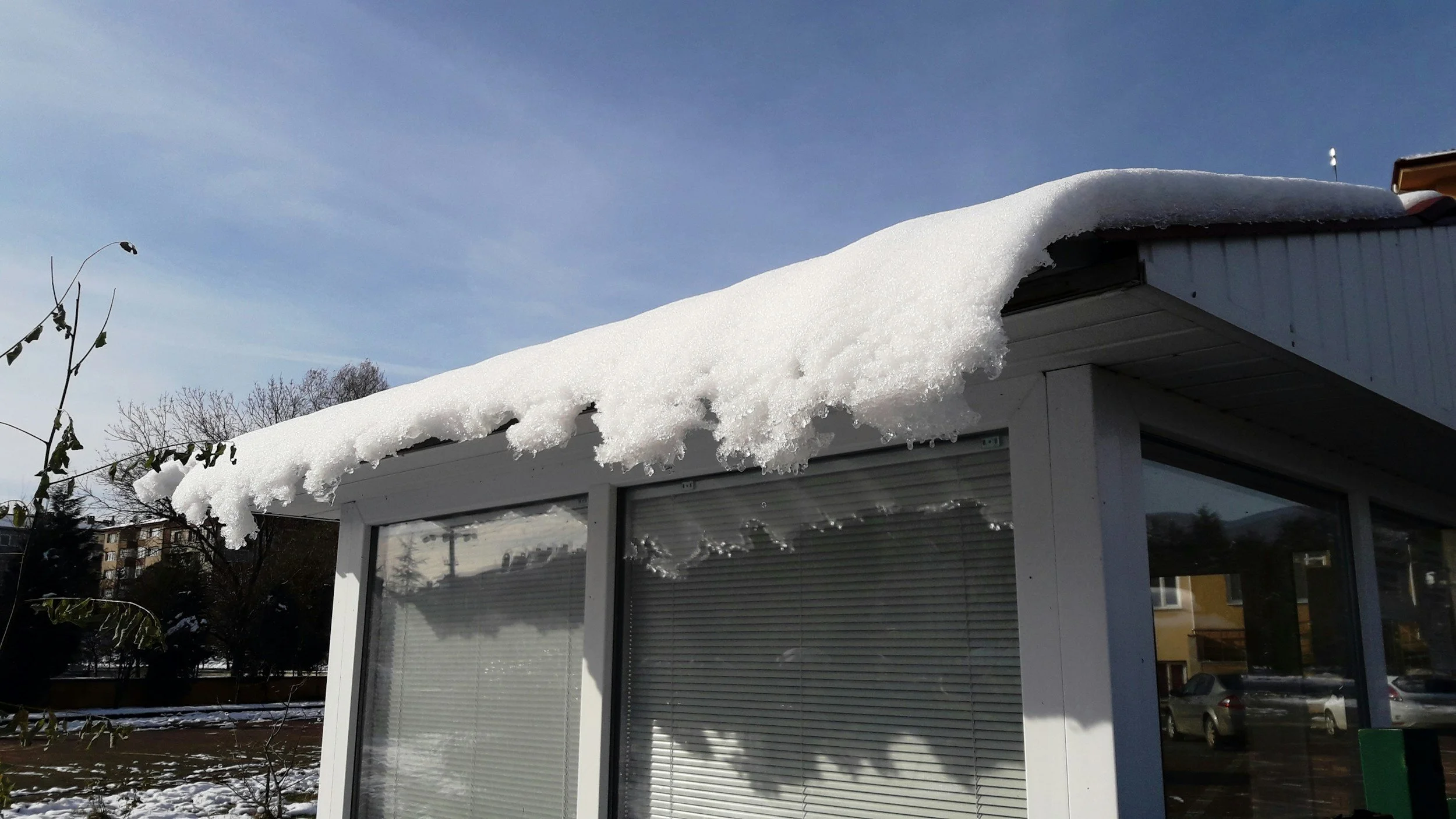
Should You Remove Snow From Your Roof? Here’s What You Need to Know
Should You Remove Snow From Your Roof? Here’s What You Need to Know
Winter storms make everything look calm and cozy, but all that snow sitting on your roof can raise a lot of questions.
Do you need to remove it? Is it dangerous to leave it? Is it dangerous to touch it?
The truth: most roofs can handle a normal amount of snow, but there are times when you should take action and times when you should absolutely not get on the roof yourself.
Here’s a breakdown to help you decide what’s best for your home this winter.
1. When Snow Is Not a Problem
A typical Ohio roof can handle a surprising amount of weight.
So if you’ve got just a few inches or a light blanket of snow, no need to panic. It’ll melt on its own when we get a warmer day. Normal snowfall = usually no action needed.
2. When You Should Worry
Snow becomes a problem when it gets deep, heavy, or wet — especially after back-to-back storms.
Watch for:
12+ inches of heavy, wet snow
Ice building along the edges (early signs of an ice dam)
Noticeable sagging, especially near the middle of the roof
Creaking sounds inside the house
Doors suddenly sticking (pressure signs)
Water spots or drips around ceilings or walls
If you’re seeing any of these, it’s time to get someone out to take a look.
3. What About Ice Dams?
Ice dams happen when snow melts, runs down the roof, and then refreezes along the edges.
This traps more melting snow behind it, and that water can start pushing under your shingles.
Signs of an ice dam:
Big icicles forming
Ice thick along the gutter line
Water stains inside the house near exterior walls
Removing snow above the ice dam can help — but again, never climb on an icy roof.
4. Never Get on a Snowy Roof Yourself
Snow and ice make roofs extremely slippery, and falls are common and dangerous.
Even using the wrong tool can damage shingles.
If you really need to clear snow:
Use a roof rake from the ground
Only pull snow from the first 3–4 feet up
Never scrape directly against the shingles
If the snow is too deep to rake, call a professional
Staying off the roof is always the safest move.
5. The Bottom Line
Most of the time, your roof will be fine. But if you’re seeing heavy buildup, sagging, or signs of an ice dam, it’s better to get ahead of the problem before it turns into a leak.
If something doesn’t look right, I’m happy to check it out.
Stay safe, stay warm, and enjoy the winter season, preferably from the ground.
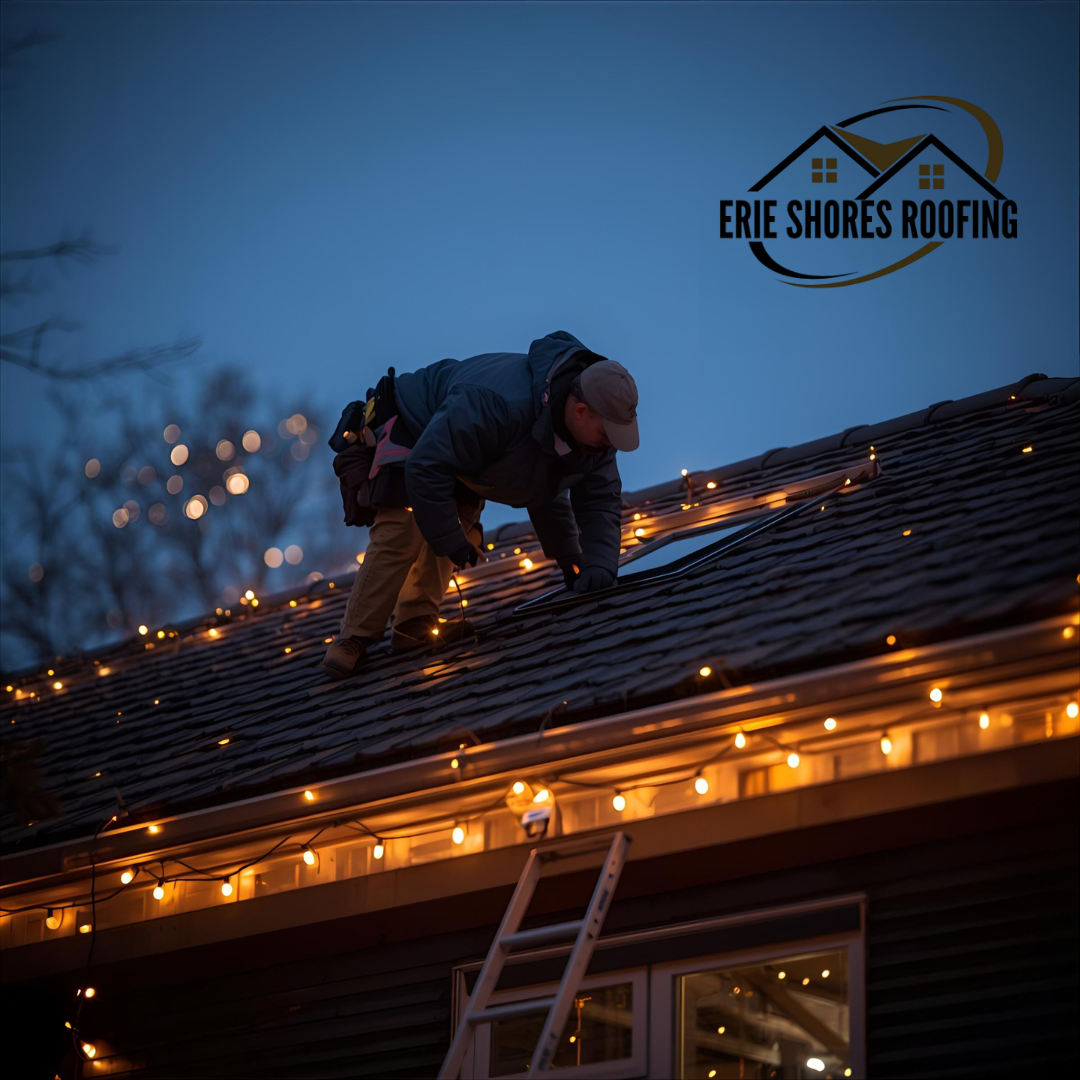
What to Look For on Your Roof When Hanging Christmas Lights
What to Look For on Your Roof When Hanging Christmas Lights
Hanging Christmas lights is a holiday tradition and also one of the only times you’re close enough to your roof to see what’s really going on up there. Before you climb back down the ladder, take a minute to check for a few things that might save you trouble later this winter.
Here are the top signs to look for while you’re putting up your lights:
1. Missing or Loose Shingles: If you can see any shingles lifting up, curling, cracked, or completely missing, that’s a red flag. Winter wind, snow, and ice will make that problem worse fast. A small repair now can prevent leaking inside your home later.
2. Sagging Spots: Your roofline should look straight and even. If anything looks dipped or wavy, that could be a sign of moisture damage, weakening roof decking, or too much weight from past snow/ice.
3. Granules in the Gutters: When you’re clipping lights to the gutter, take a peek inside.
If you see a lot of dark, sand-like grit, that means your shingles are wearing down. It’s common on older roofs, but it’s also a sign it might be time to plan for repairs or replacement.
4. Damaged or Rusted Flashing: Flashing is the metal around chimneys, vents, and edges.
If it’s bent, rusted, lifted, or missing screws, water has an easy path to get inside. Winter weather only makes flashing problems worse.
5. Clogged or Pulling Gutters: If your gutters are full of leaves or look like they’re pulling away from the house, fix that ASAP. When snow hits, clogged gutters turn into ice dams — and ice dams lead to leaks, damaged shingles, and interior water issues.
When in Doubt, Have It Checked
Hanging lights is supposed to be fun, not stressful but if you notice anything that doesn’t look right while you’re up there, it’s better to catch it now before winter storms roll in.
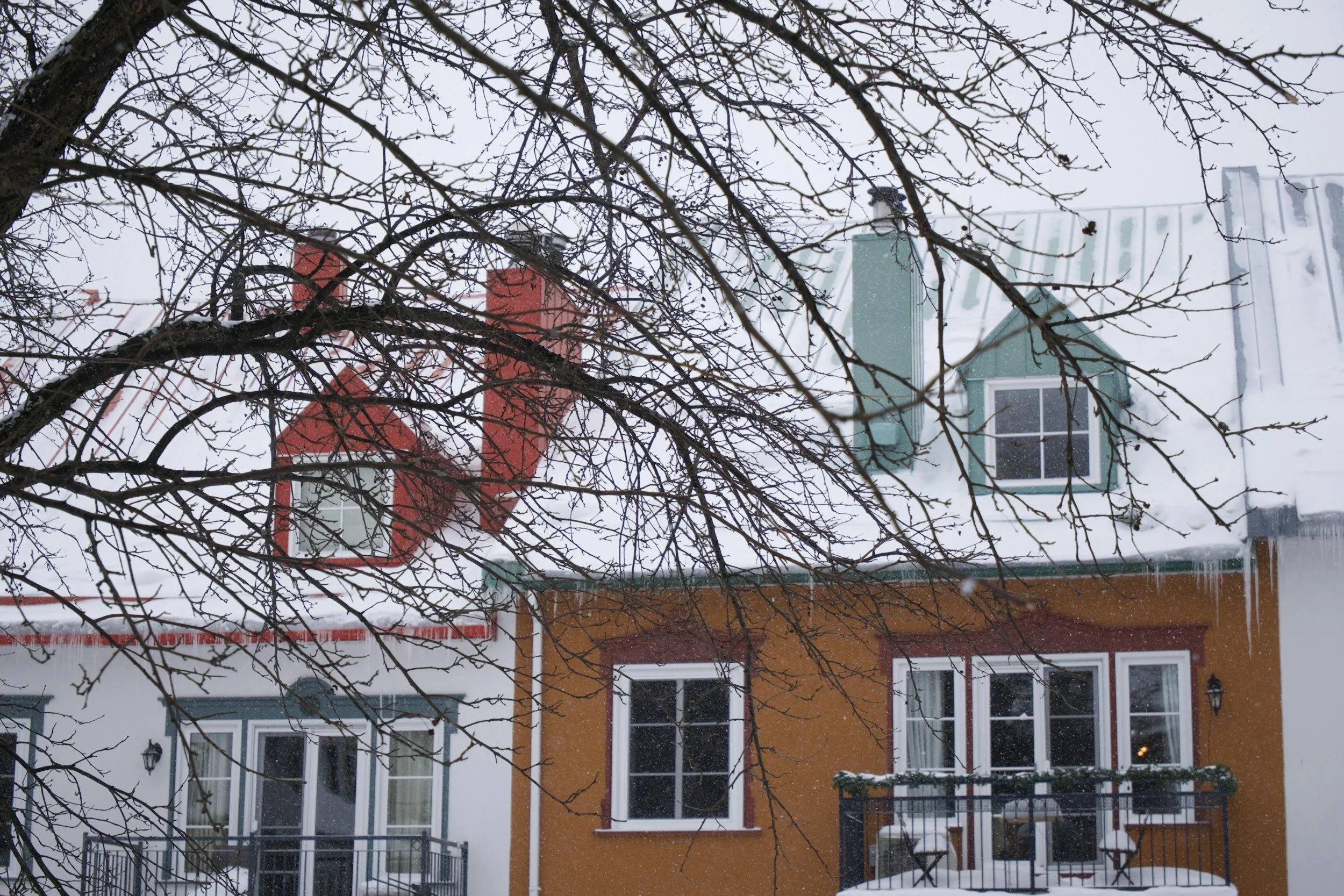
The Top 4 Signs Your Roof Needs Repairs Before Winter
It all begins with an idea.
Winter weather can be harsh on your roof, and small issues now can turn into major headaches later. Knowing the signs of roof damage can save you time, money, and stress. Here are four key warning signs that it’s time for a professional inspection:
1. Missing or Damaged Shingles: Shingles protect your roof from water and wind. If you notice any missing, cracked, or curling shingles, your roof is vulnerable to leaks — especially when snow and ice accumulate.
2. Leaks or Water Stains Inside Your Home: Water stains on ceilings or walls, or damp spots in your attic, are clear signs of a problem. Winter moisture can make small leaks worse, so it’s best to address them before the snow hits.
3. Sagging or Uneven Roof Areas: A sagging roof can indicate structural damage or water damage in the decking underneath. Don’t wait — this can become dangerous if left unchecked.
4. Gutters Full of Shingles or Debris: If you notice granules from shingles or broken pieces in your gutters, it’s a sign your roof is deteriorating. Proper maintenance and inspection can prevent further damage.
Don’t wait until winter weather exposes your roof’s weaknesses. Contact us today to schedule a free inspection and make sure your home stays safe, warm, and dry.
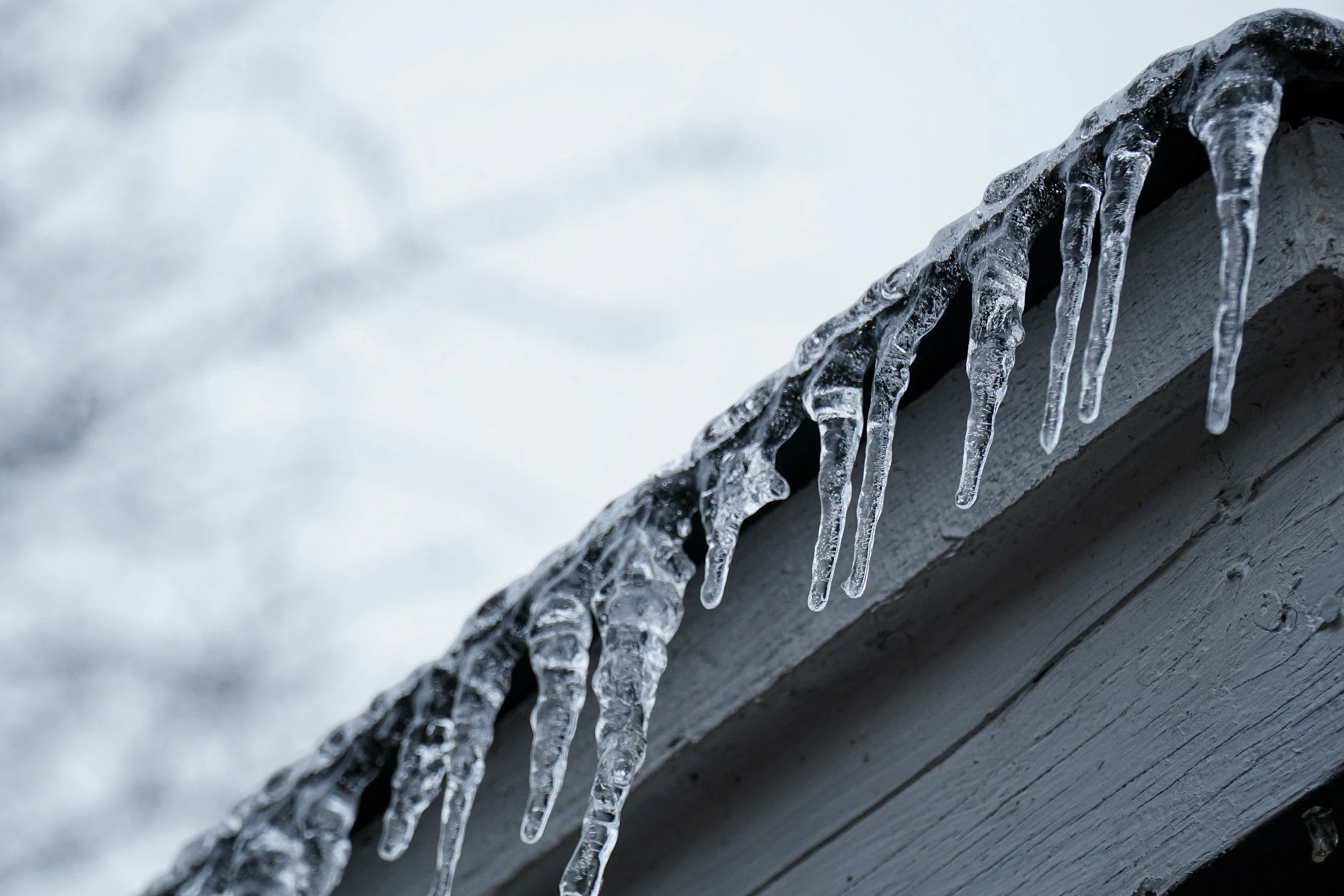
3 Reasons to Get a Roof Inspection Before Winter
3 Reasons to Get a Roof Inspection Before Winter
Winter in Northern Ohio can be harsh on your home. Snow, ice, and freezing temperatures can turn small roofing issues into big problems. Scheduling a roof inspection before winter is a smart move for any homeowner. Here are three key reasons to get your roof checked now:
Catch Small Problems Early: A few missing shingles or minor leaks may seem harmless in the fall, but snow and ice can make them worse quickly. A professional inspection helps identify these issues early, saving you money and stress down the road.
Prevent Ice Dams and Water Damage: Ice dams form when heat escapes from your home, melting snow on your roof and causing water to back up under shingles. This can lead to leaks, damaged insulation, and even structural problems. A pre-winter inspection ensures your roof is ready to handle ice and snow.
Protect Home and Family: Your roof is your home’s first line of defense against the elements. Making sure it’s in good shape before winter means you’re protecting your family, your belongings, and your home’s comfort during the cold months.
Don’t wait until the snow starts falling — a quick inspection now can save you headaches later.
Fill out this simple form to schedule a free roof inspection and keep your home safe and dry all winter long.